
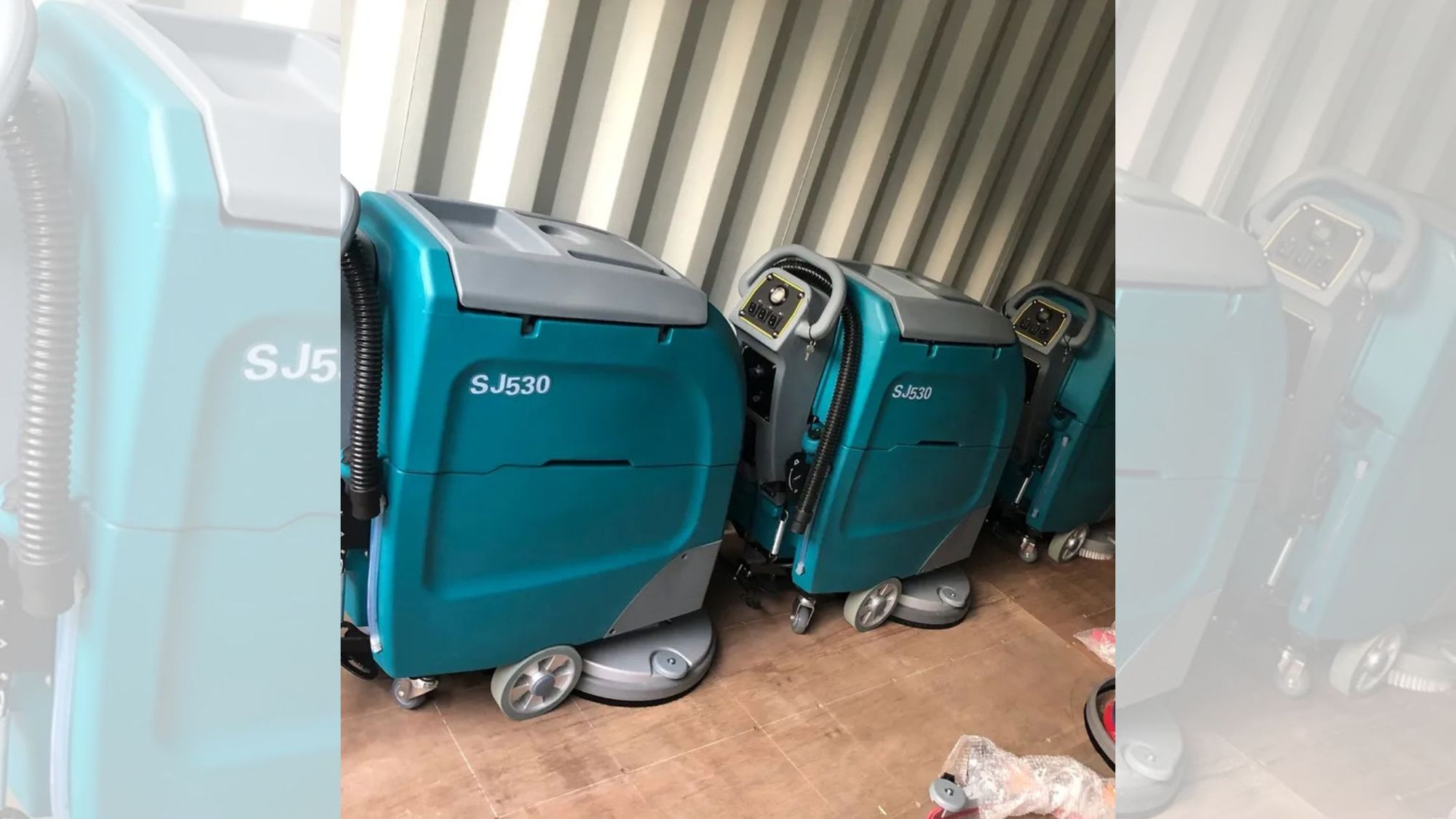
If you’ve been relying on a mop and bucket for cleaning large areas, you know it can be exhausting and time-consuming. That’s where a floor brush scrubber machine comes to the rescue. Whether you’re working in a busy commercial space, a small shop, or even managing home floors that get a lot of foot traffic, this machine can be a real game changer. But if you’ve never used one before, it can seem a bit intimidating. This guide will walk you through everything you need to know to get started, from understanding how it works to mastering its operation for sparkling clean floors.
Why Bother With a Scrubber Anyway?
Before we dive into the how-to part, let’s talk about why these machines are worth your attention. A scrubber floor cleaning machine does more than just clean the surface. It scrubs away stubborn dirt, removes sticky residues, and leaves floors looking brand new. Plus, it saves you time and energy compared to manual cleaning. If you’re running a store, office, or workshop, a cleaner floor doesn’t just look good. It helps maintain a safer space by reducing slip hazards. For homeowners, it means less backbreaking work and more time to relax.
Getting to Know Your Machine
Think of your scrubber as a car for your floors. It has different parts that work together to get the job done. The key components usually include:
- Brushes or Pads – These do the actual scrubbing.
- Solution Tank – Holds the water and cleaning solution.
- Recovery Tank – Stores the dirty water that’s been sucked up.
- Squeegee – Helps remove water from the floor so it dries faster.
A refurbished walk behind advanced floor scrubber machine works just as efficiently as a new one, as long as it’s maintained properly. It’s a cost-effective choice for beginners who want high performance without spending a fortune.
Choosing the Right Floor Scrubber for You
Not all scrubbers are the same. If you have small areas to clean, a compact model is best. For larger spaces, a walk-behind or even ride-on model will save you a ton of time. The LESP model SJ-400 floor scrubber machine is one example that’s popular for its balance between efficiency and ease of use. When choosing, think about:
- Floor type
- Size of the area
- Frequency of cleaning
- Your budget
Prepping Before You Start – Don’t Skip This
Before turning on your machine, make sure the area is ready. Clear away loose debris, cords, or small objects that could get stuck. Fill the solution tank with the right mix of water and cleaning detergent. Always check the manufacturer’s instructions for the correct ratio to avoid damaging the floor or the machine. Also, inspect your scrubber for any loose parts or low battery if it’s cordless. A quick check can save you from mid-cleaning breakdowns.
How to Use a Floor Brush Scrubber Without the Stress?
Operating a scrubber doesn’t have to be complicated. Here’s a beginner-friendly approach:
- Start at the farthest corner of the room and work your way toward the exit. This way, you avoid stepping on freshly cleaned areas.
- Lower the brush or pad and turn on the water flow.
- Move slowly in straight lines, overlapping each pass slightly. This ensures no dirty spots are left behind.
- Watch the recovery tank and empty it when it’s nearly full.
- Dry the floor using the squeegee function if your machine has one.
Tips for Getting a Deep, Even Clean
- Use the right brush or pad for your floor type. A stiff brush works best for textured surfaces, while softer pads are better for smooth floors.
- Avoid using too much detergent, as it can leave a sticky residue.
- Work in sections, especially in large rooms, to avoid rushing.
- For stubborn stains, slow down the scrubber over the area for extra cleaning power.
Common Mistakes to Avoid
Beginners often make a few common errors that can be easily avoided:
- Skipping floor prep – Dust and large debris can damage the brushes.
- Going too fast – The machine needs time to scrub effectively.
- Overfilling the tank – This can cause leaks and make the machine harder to maneuver.
- Neglecting maintenance – Dirty tanks and clogged brushes reduce performance.
Maintaining Your Scrubber for Long-Term Use
Like any tool, your scrubber will last longer if you take care of it. After each use:
- Empty and rinse the tanks.
- Clean the brushes or pads thoroughly.
- Wipe down the squeegee to avoid streaks next time.
- Store the machine in a dry place to prevent corrosion.
Regular maintenance means fewer repairs and more consistent cleaning results.
When to Consider Professional Repairs?
Even with good care, machines sometimes need attention from a pro. If your scrubber isn’t picking up water, leaving streaks, or making strange noises, it’s time for a check-up. Getting quick repairs will prevent small problems from turning into expensive replacements. If you ever need to repair floor scrubber machines, finding a trusted technician ensures your investment keeps running smoothly.
With a bit of practice, you’ll get that professional-level shine without breaking a sweat. Investing in a reliable scrubber, like the LESP model SJ-400 floor scrubber machine, means cleaner floors, less effort, and a safer environment for everyone.